Have you ever wondered where our beloved cats came from? The story of domestic cats is pretty interesting. Cats belong to the same family as wild felines like lions, tigers, and cheetahs. This wild ancestry dates back thousands of years, giving us a glimpse into their fascinating journey.
It all started around 10,000 years ago in the Middle East. When humans began farming, they attracted rodents looking for food. This in turn drew in wildcats, happy to munch on the pesky critters. Those cats that were friendlier and less fearful of people began to thrive around human settlements.
Over time, people noticed these cats were helpful in keeping grain stores free of vermin. Humans and cats started to form a unique bond. Some cats became so well-loved that they took on a place in the home. Those cats that were good hunters and friendly got to stay close, leading to the traits we see in our pets today.
Fast forward through history, and cats traveled all over the world on ships. They made their way to ancient Egypt, where they were treated like royalty. Some even became symbols of protection. As they spread, different breeds began to emerge, each with its own quirks and charms, thanks to different living conditions and human preferences.
A Day in the Life of a Cat
Ever wonder what your cat gets up to when you're not around? A typical day in the life of a cat is a mix of snoozing, playing, and a bit of mischief. They wake up, stretch out like little yoga masters, and often start their day with a good amount of purring and headbutting. It’s their way of saying “Good morning!”
After getting some love and attention, it’s breakfast time! Most cats will circle around their food bowl or give you those big, pleading eyes until you fill it up. Once they've had their fill, it's time for the grooming session. Cats are known for being clean creatures, so you’ll often see them licking their paws and smoothing their fur.
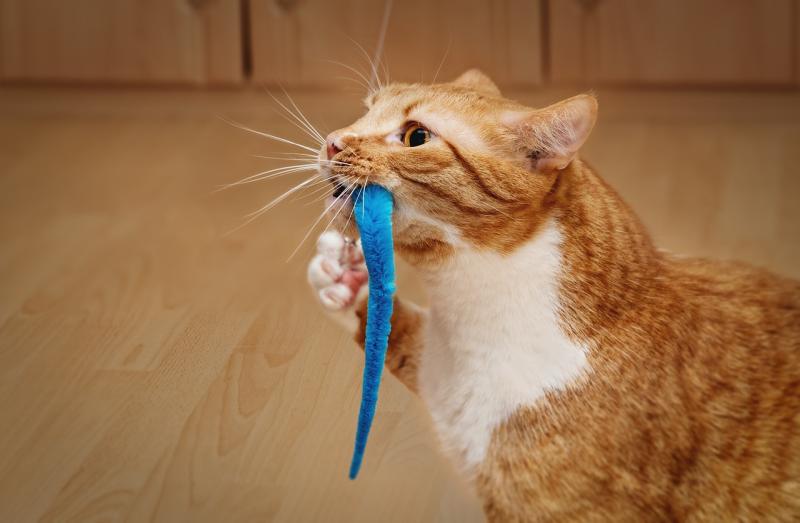
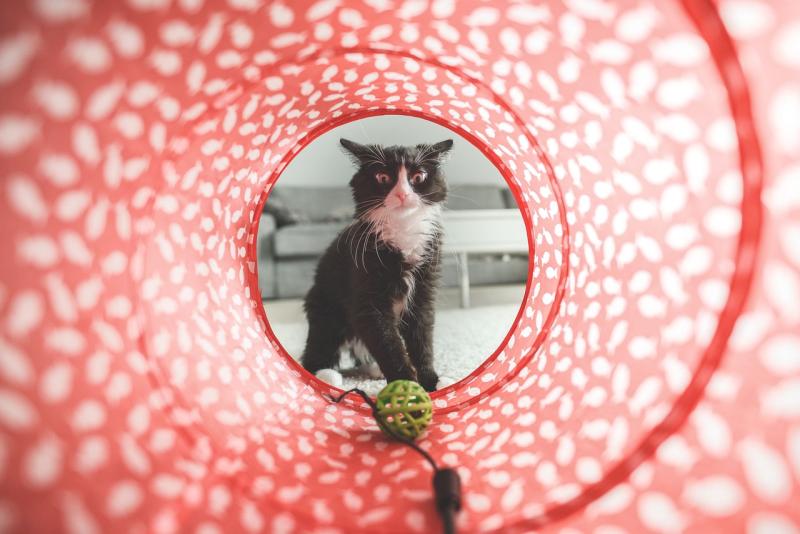
Next comes the playtime, and this is where the real fun begins! Cats love chasing after toys, pouncing on anything that moves, or even exploring a cardboard box. Their playful antics can be hilarious to watch. Whether it's racing around or just pretending to stalk an invisible prey, they bring a whole lot of joy into our homes.
After a busy morning of activities, it’s time for a nap. Cats can nap anywhere from 12 to 16 hours a day! You might find them curled up in a sunny spot or sprawled out on the couch, dreaming cat dreams. And just when you think they’re in a deep sleep, they might wake up, stretch again, and get back to their cat business.
Understanding Cat Behavior and Personality
Cats are more than just fluffy companions; they have unique personalities that make them truly fascinating. Understanding what makes your cat tick can help strengthen your bond and create a happier home for both of you. Each cat has its quirks, ranging from playful behavior to moments of solitude, and these traits can tell you a lot about their overall mood and needs.
Some cats are social butterflies, eager to meet new people and explore their surroundings. On the flip side, others may prefer to keep their distance and enjoy solo time. It’s all about what makes your kitty comfortable. Watch for clues like their body language—twitching tails or flattened ears can indicate whether they’re feeling playful or a bit stressed.
Playtime is often a window into a cat’s personality. A cat that loves to chase feather toys or pounce on laser dots is probably your entertainer, always ready for a fun game. On the other hand, a more laid-back cat might enjoy a cozy nap on your lap or just observing the world from a sunny spot by the window. Understanding these differences helps in knowing when to give your cat space and when to engage them in play.
Food preferences also play a role in cat behavior. Some cats are not picky at all, while others can be quite particular about their meals. If your cat turns their nose up at a new food, it doesn’t mean they are being finicky; they might just be expressing their unique tastes! Pay attention to their reactions and find out what they really enjoy.
Lastly, every cat will exhibit their special habits. Whether it's kneading on your lap, bringing you “gifts” of their favorite toys, or purring contentedly while you pet them, these actions communicate their feelings. Embrace these behaviors, as they’re part of what makes your bond with your feline friend so special.
Fun Facts About Our Furry Companions
Cats are truly amazing creatures with a bunch of neat quirks. Did you know that they can make over 100 different sounds? That's way more than dogs, who only have about 10! This variety helps them communicate their feelings, whether they’re happy, hungry, or just want some snuggles.
Another fun fact: cats can jump up to six times their body length in one leap! That’s some serious acrobatics. It’s no surprise they're curious little explorers, always poking around to find new spots to lounge or a cozy sunbeam to nap in.
Cats also have a unique way of drinking water. Instead of lapping it up like we might think, they actually flick their tongues quickly to create a column of water! They’re super efficient little drinkers, and this technique helps them stay hydrated.
And get this—cats are known for their purring, which isn't just a sign of happiness. Purring can actually help them heal! The vibrations produced in their chests can promote tissue regeneration and reduce pain. So next time your kitty purrs in your lap, they’re not just content; they might be giving themselves a little health boost.
Who knew our adorable furry friends had such cool traits? It's these little facts that make cats even more special and fascinating. They're more than just pets; they’re incredible companions with their own set of super skills!